Wisdom of Old Growth Forests part 1
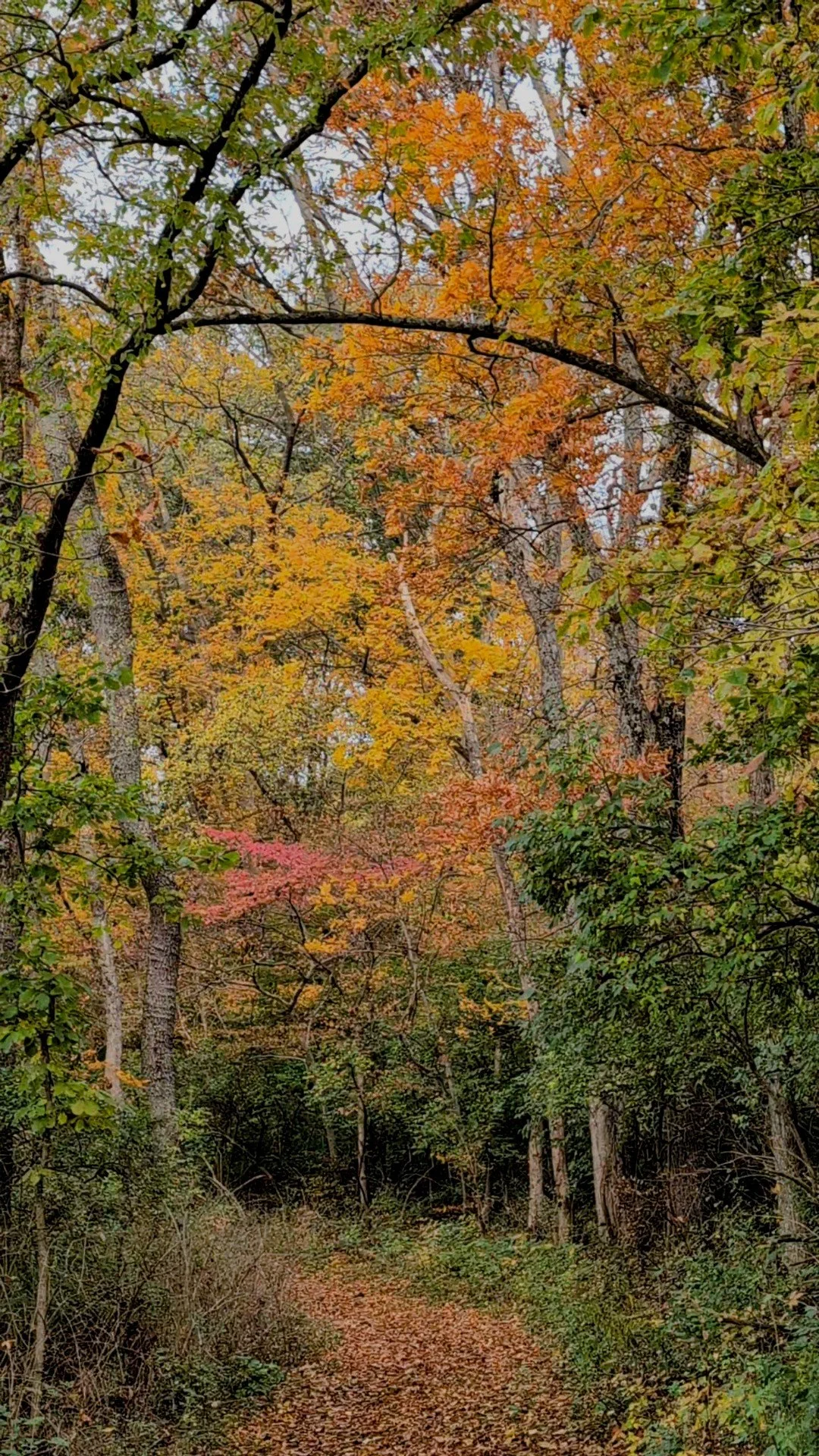
Old growth Oak-Hickory woods at Spring Valley Wildlife Area in October
Coarse Woody Debris
We can learn much from old growth forests about how functioning ecosystems operate and attempt to mimic these conditions in our yards. Few of us are blessed to have 200+ year old trees, but all of us can incorporate old growth elements to diversify and create habitat on land that we steward.
First, let's discuss the attributes of oldgrowth forests. Beyond the ancient trees old growth forests often contain a variety of habitat features that can be recreated on a smaller scale. Some of these features include coarse woody debris, uneven aged trees, pit and mound topography, and undisturbed forest soils. Today we'll discuss coarse woody debris which refers to dead trees and large branches that are at least 10 cm in diameter and 1 meter in length.
Ecologists identify coarse woody debris (CWD) as a key feature of old growth. Coarse woody debris is any large wood that is left to decay on the forest floor, including large trunks, limbs, and snags. CWD becomes homes to countless creatures, holds water and retains moisture during droughts, and eventually disintegrates and builds rich soil. You can incorporate large logs into beds or even use 4in+ diameter logs as a border for your beds. Dead hedges are small fences that can be made out of fallen limbs, including smaller twigs. However you decide to use them, it's important to always incorporate fallen wood into your landscape and do not let it leave the property. Coarse woody debris is a free goldmine for habitat creation. Another form of CWD are snags, standing dead trees. Snags should be kept whenever possible, and even if a tree must be removed you can keep a 5-15ft tall stump. Snags will likely be one of the most popular spots in your yard for wildlife and can be planted with native vines such as coral honeysuckle, virginia clematis, or trumpet creeper.
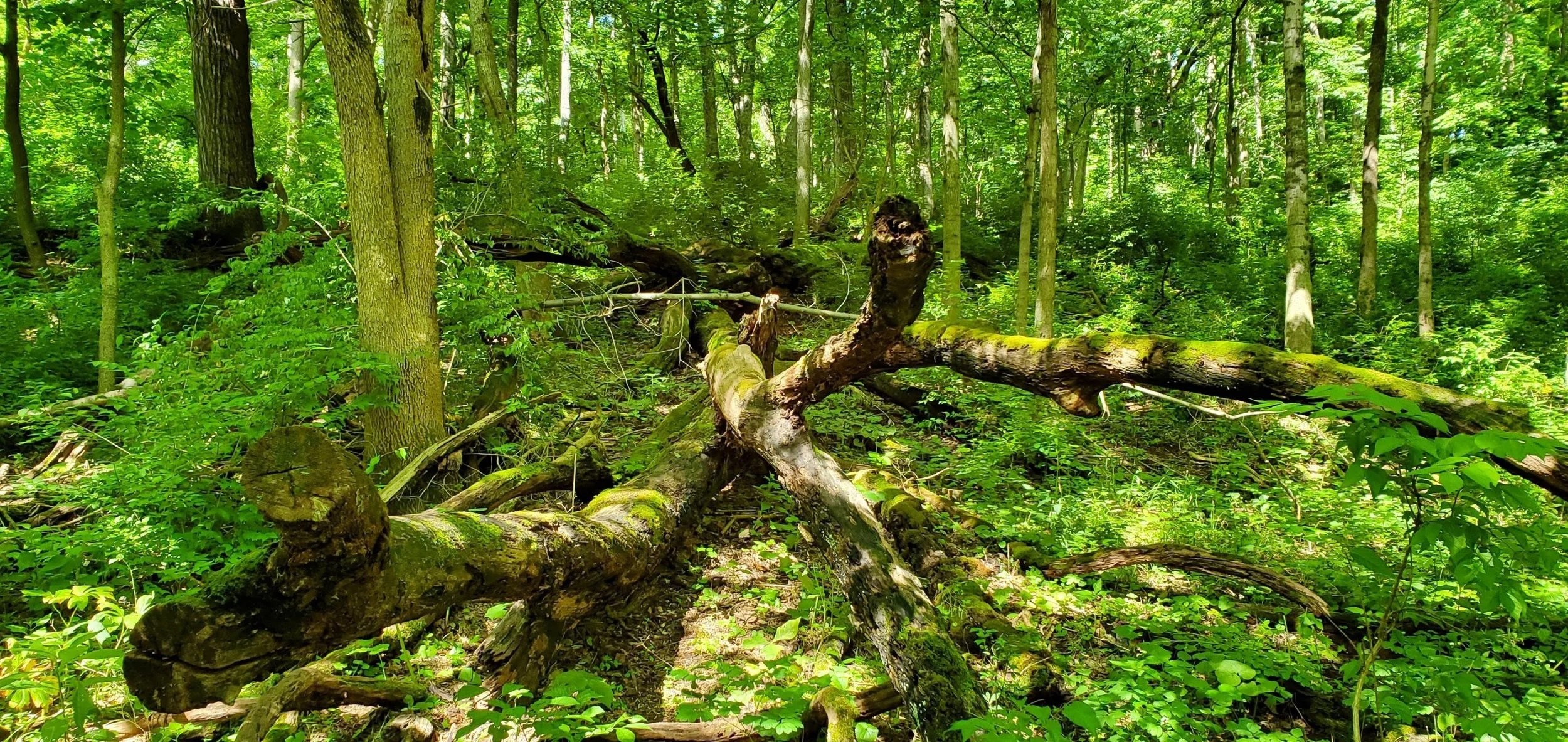
Coarse woody debris at Glen Helen Nature Preserve in Yellow Springs OH, an excellent example of an old growth forest with lots of downed wood and snags.
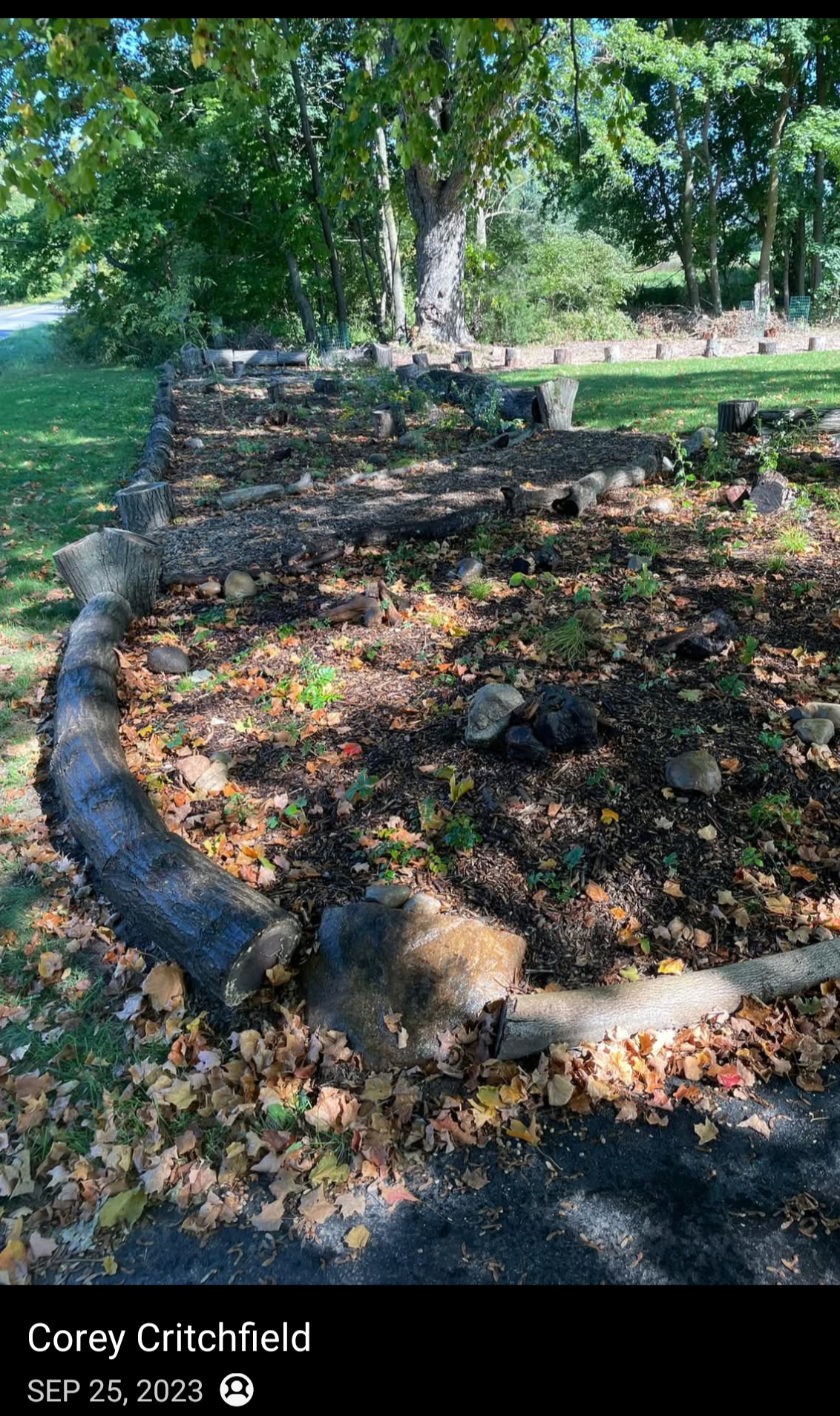
An example of a log border for a garden bed by Corey Critchfield, one method of working CWD into the home landscape.
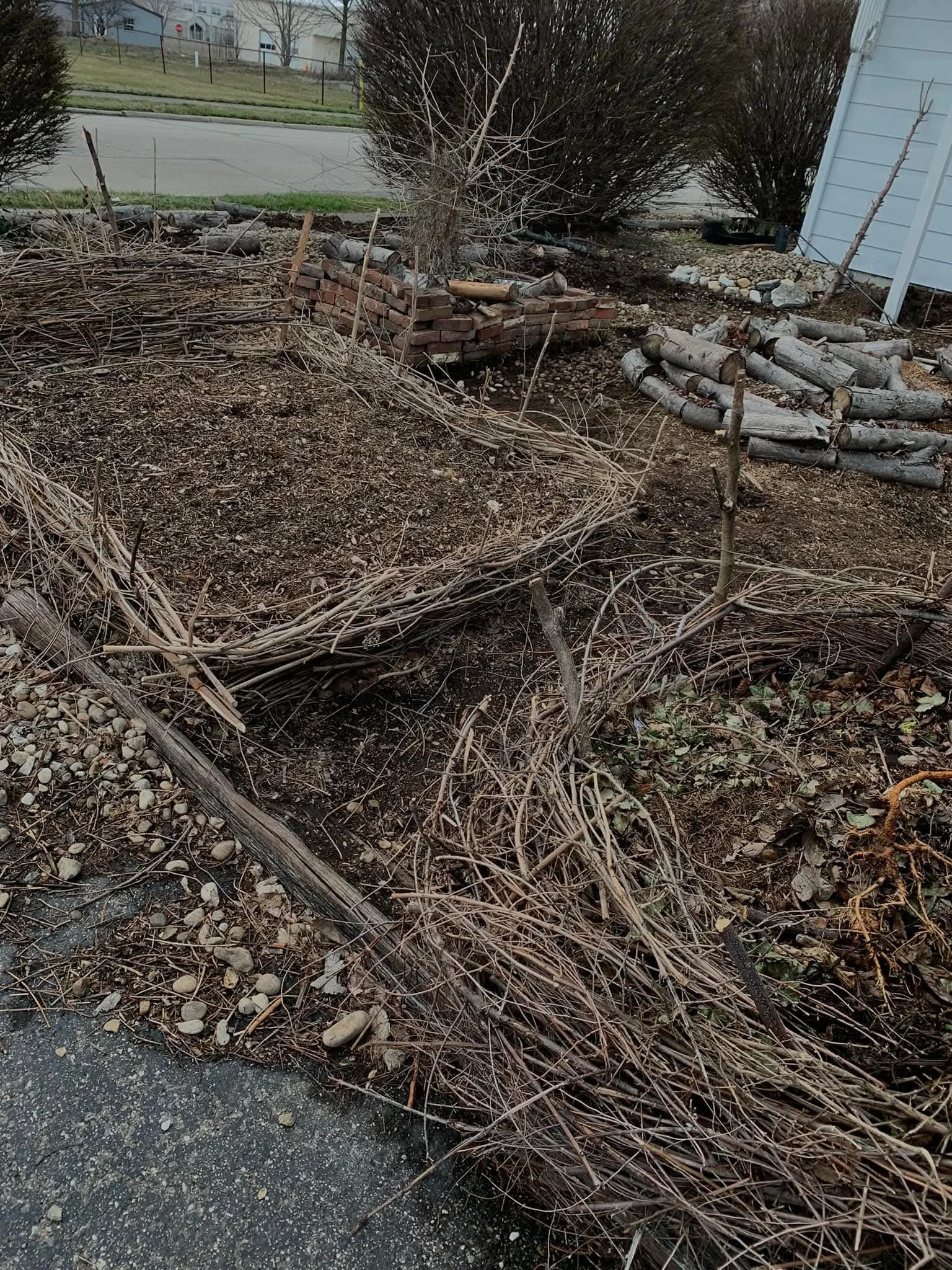
An example of a dead hedge acting as a garden border created by Joeyplantstrees, showing that even smaller twigs can have value as habitat.
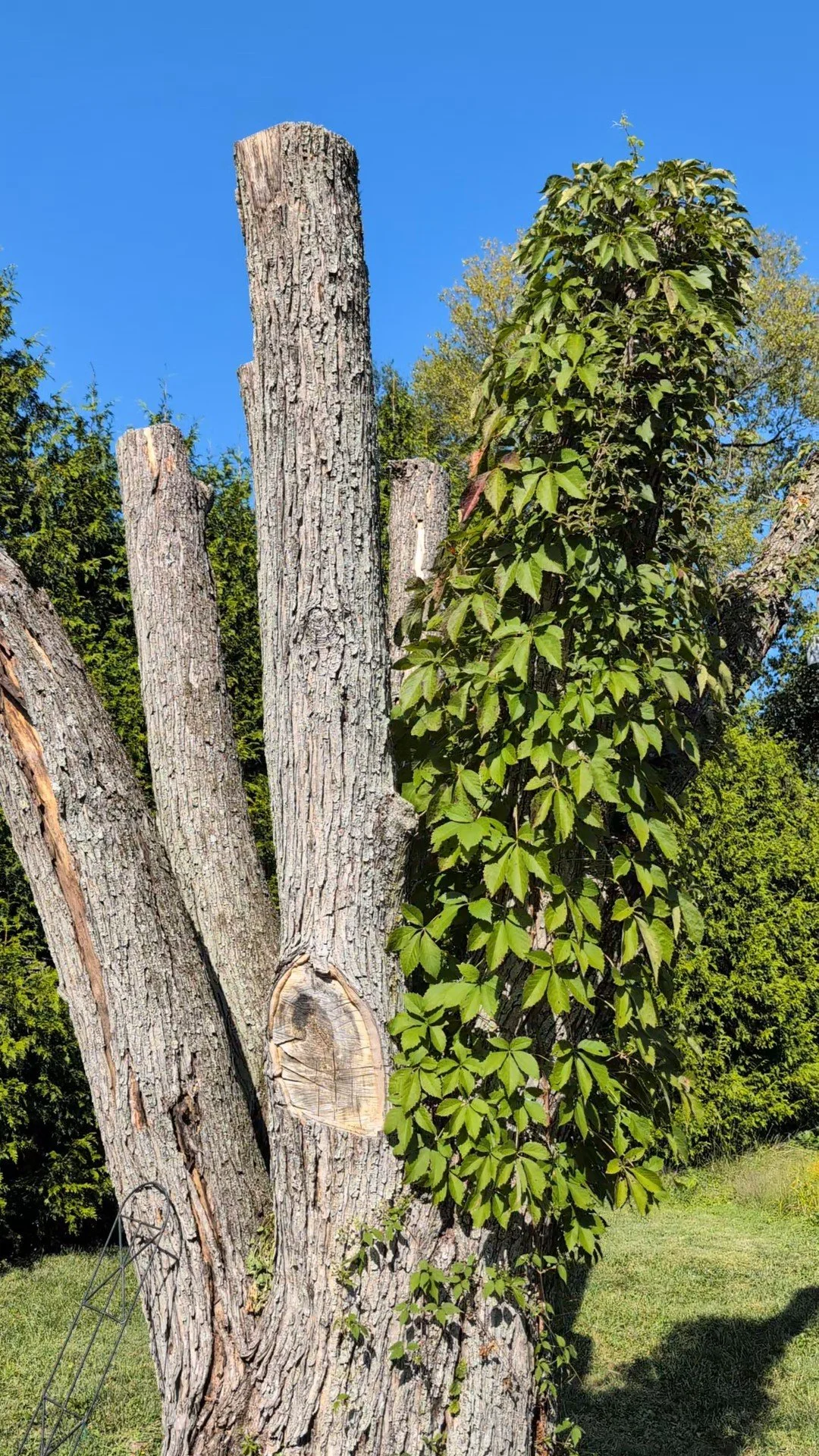
A client decided to keep a 15ft tall snag of a large silver maple that needed to be removed. We've planted Virginia Clematis, Virginia Creeper, and Pipevine at its base. It's sometimes noted that a dead tree can hold more living creatures and capacity to support life than a living tree does.